Back to Top

Urinary incontinence | Understanding UI | Know how to tackle & when to seek Urologist's advice

 Urinary incontinence | Understanding UI | Know how to tackle & when to seek Urologist's advice 


પ્રોસ્ટેટ વિશે જાણો | BPH શું છે? ચિહ્નો અને લક્ષણો | તબીબી સલાહ ક્યારે લેવી?

પ્રોસ્ટેટ વિશે જાણો | BPH શું છે? ચિહ્નો અને લક્ષણો | તબીબી સલાહ ક્યારે લેવી?


Bladder Cancer: Understanding the Signs and Symptoms


Bladder Cancer: Understanding the Signs and Symptoms

Bladder cancer is a relatively common type of cancer that develops in the urinary bladder. The bladder is a hollow organ that stores urine until you urinate. Most cases of bladder cancer are urothelial carcinoma, which starts in the cells lining the inside of the bladder.

Signs and Symptoms of Bladder Cancer

The most common symptom of bladder cancer is blood in the urine (hematuria). The blood may be visible (gross hematuria) or only detectable under a microscope (microscopic hematuria). 

Other symptoms of bladder cancer can include:

  • Painful urination (dysuria)
  • Frequent urination (urgency)
  • Difficulty urinating (hesitancy)
  • Feeling like you cannot empty your bladder completely
  • Pelvic pain

It's important to note that these symptoms can also be caused by other conditions. If you experience any of these symptoms, it's crucial to see a doctor to determine the cause.

Risk Factors for Bladder Cancer

Smoking is the most significant risk factor for bladder cancer. Other risk factors include:

  • Exposure to certain chemicals, such as arsenic and industrial dyes
  • Family history of bladder cancer
  • Chronic bladder infections
  • Long-term use of urinary catheters
  •  

Diagnosing Bladder Cancer

If you have blood in your urine or other symptoms of bladder cancer, your doctor will likely order a urinalysis and urine cytology test. These tests can help detect abnormal cells in the urine. Other diagnostic tests for bladder cancer may include:

Cystoscopy: A thin, lighted tube is inserted into the urethra to visualize the inside of the bladder.

Biopsy: A small sample of tissue is removed from the bladder for examination under a microscope.

Imaging tests: X-rays, CT scans, or MRI scans may be used to determine the stage (extent) of cancer if it is diagnosed.

Treatment Options for Bladder Cancer

The treatment for bladder cancer depends on the stage and grade (aggressiveness) of the cancer. Treatment options may include:

Surgery: Surgery to remove all or part of the bladder is the most common treatment for bladder cancer.

Cystoscopy with tumor removal: In some cases, tumors may be removed during a cystoscopy.

Immunotherapy: This treatment helps the body's immune system fight cancer cells.

Chemotherapy: Medication is used to kill cancer cells.

Radiation therapy: High-energy rays are used to kill cancer cells.

Living with Bladder Cancer

If you have been diagnosed with bladder cancer, you may be concerned about your future health. However, with treatment, many people with bladder cancer can live long and fulfilling lives. Early detection and treatment are key to improving the chances of a successful outcome.

If you have any questions or concerns about bladder cancer, please consult with Urologist.

Enlarged prostate | Benign Prostatic Hyperplasia (BPH) | Know your disease

Benign Prostatic Hyperplasia

Benign Prostatic Hyperplasia is commonly known as BPH. BPH is a common condition that affects men as they age, and can cause a range of symptoms that can affect their quality of life. In this article, we will be discussing the causes, symptoms, diagnosis, and treatment options for BPH.


What is BPH?

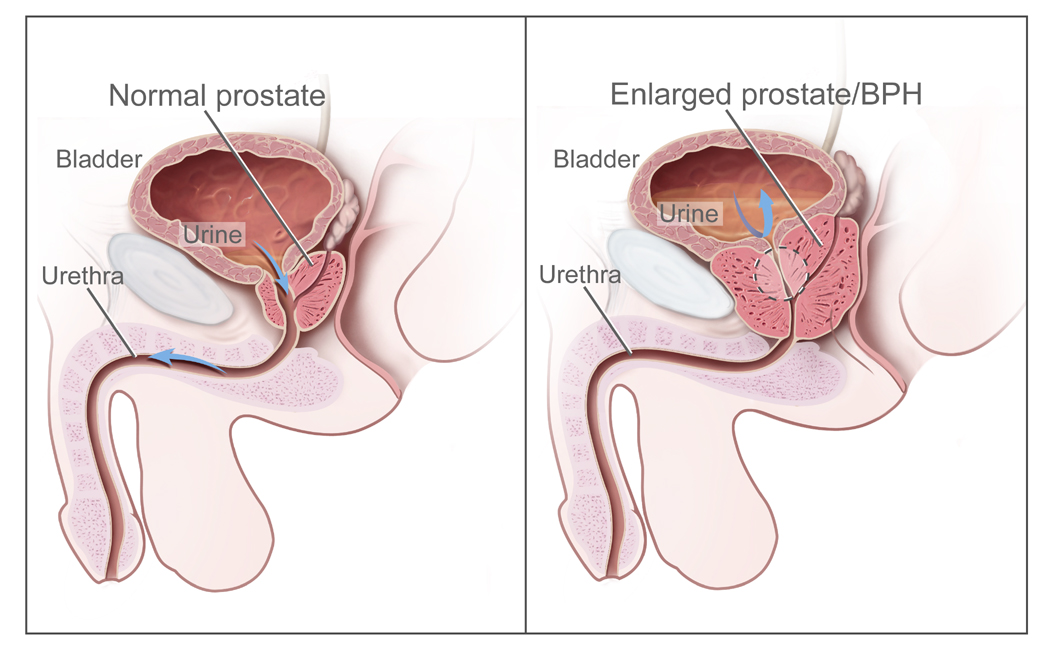
BPH is a non-cancerous enlargement of the prostate gland, which is located below the bladder and surrounds the urethra. As the prostate gland grows, it can squeeze the urethra, causing a range of urinary symptoms.

Enlarged Prostate/BPH

Causes of BPH:

The exact cause of BPH is not known, but it is believed to be related to hormonal changes that occur as men age. As men age, their levels of testosterone decrease, and their levels of estrogen increase, which can cause the prostate gland to grow.

Symptoms of BPH:

The symptoms of BPH can vary from mild to severe and can include:

  • Difficulty starting urination
  • Weak urine flow
  • Dribbling at the end of urination
  • Frequent urination, especially at night
  • Urgency to urinate
  • Inability to completely empty the bladder

Diagnosis of BPH:

If you are experiencing any of the symptoms of BPH, it's important to see a doctor. The doctor will perform a physical exam, including a digital rectal exam, and may also order other tests, such as a urine flow test or a prostate-specific antigen (PSA) blood test, to rule out other conditions.

Treatment options for BPH:

The treatment options for BPH depend on the severity of your symptoms. For mild symptoms, your doctor may recommend watchful waiting and making lifestyle changes, such as limiting fluids before bedtime and avoiding caffeine and alcohol. For more severe symptoms, your doctor may prescribe medications, such as alpha-blockers or 5-alpha reductase inhibitors, to help relax the muscles in the prostate gland and reduce its size. In some cases, surgery may be necessary to remove part of the prostate gland.

Conclusion:

So there you have it, our overview of Benign Prostatic Hyperplasia. Remember, if you are experiencing any symptoms of BPH, it's important to see a doctor for a proper diagnosis and treatment plan. With the right treatment, you can manage your symptoms and improve your quality of life.

RIRS: A Minimally Invasive Procedure for kidney stone treatment

RIRS: Retrograde Intra Renal Surgery for kidney stone


RIRS or Retrograde Intrarenal Surgery is a minimally invasive surgical procedure used to treat kidney stones or other kidney-related problems. Unlike traditional surgery, RIRS does not require any incisions or cuts, making it a safe and effective option for patients.

The procedure is performed using a flexible ureteroscope, which is inserted into the urethra and navigated up to the kidney. The scope allows the surgeon to visualize the inside of the kidney and identify any stones or abnormalities.

Once the stones or other problems are identified, a laser is used to break them up into smaller pieces, which can then be easily passed through the urinary tract. In some cases, a small basket may be used to remove the broken-up pieces.

Flexible ureteroscope for RIRS


RIRS is typically performed under general anesthesia and takes between 30 minutes to 2 hours, depending on the complexity of the case. Patients usually go home the same day or the following day and can return to their normal activities within a few days.

RIRS is particularly useful for treating smaller stones (less than 2 cm) that are located in the lower pole of the kidney or in areas that are difficult to access with other surgical methods. It is also a good option for patients who are not good candidates for traditional surgery, such as those with bleeding disorders or other medical conditions.

Some potential risks and complications of RIRS include bleeding, infection, and damage to the ureter or kidney. However, these risks are relatively low, and most patients experience few or no complications.

Overall, RIRS is a safe and effective option for treating kidney stones and other kidney-related problems. It offers several advantages over traditional surgery, including a shorter recovery time, fewer complications, and less pain and discomfort for the patient. If you are experiencing kidney-related problems, talk to your doctor about whether RIRS may be a good option for you.

How to prevent kidney stones? | Askurdoctor.net


How to prevent kidney stones? | Askurdoctor.net

Preventing kidney stones can involve several lifestyle changes and dietary modifications. 
Here are some general tips that may help reduce the risk of developing renal stones:

1. Stay hydrated: 

Drink an adequate amount of water throughout the day to maintain good urine flow. This can help prevent the concentration of minerals that form kidney stones. Aim to drink enough fluids to produce at least 2 liters (about 8 cups) of urine per day.

2. Follow a balanced diet: 

Consume a well-balanced diet that includes a variety of fruits, vegetables, and whole grains. Avoid excessive intake of processed foods, high-sodium foods, and foods high in oxalate, such as spinach, rhubarb, beets, and chocolate.

3. Limit animal protein: 

High intake of animal protein, including red meat, poultry, and seafood, may increase the risk of kidney stone formation. Moderate your consumption and consider plant-based protein sources as alternatives.

4. Control salt intake: 

Limit your salt (sodium) intake to help prevent the formation of certain types of kidney stones. Avoid adding extra salt to your meals, and be cautious of processed foods that are often high in sodium.

5. Monitor calcium intake: 

While it may seem counterintuitive, consuming adequate amounts of calcium can actually help prevent certain types of kidney stones. However, it is essential to get calcium from food sources rather than supplements. Talk to a healthcare professional for guidance on your specific calcium needs.

6. Limit oxalate-rich foods: 

If you have a history of calcium oxalate stones, it may be beneficial to reduce your intake of oxalate-rich foods, such as spinach, rhubarb, beets, nuts, and chocolate. However, it's important to maintain a balanced diet and not eliminate these foods completely unless specifically advised by a healthcare professional.

7. Maintain a healthy weight: 

Obesity and weight gain are associated with an increased risk of kidney stones. Aim to maintain a healthy weight through regular physical activity and a balanced diet.

8. Avoid dehydration during exercise: 

If you engage in intense exercise or live in a hot climate, make sure to drink plenty of fluids to prevent dehydration and maintain adequate urine production.

9. Consult a healthcare professional: 

If you have a history of kidney stones or are at a higher risk due to certain conditions, medications, or family history, it is advisable to consult a healthcare professional. They can provide personalized guidance and recommendations based on your specific situation.

Remember, these are general preventive measures, and it is always important to consult with a healthcare professional for personalized advice based on your medical history and individual needs.

World Health Day 2023 | Health For All


World Health Day 2023 | Health For All

World Health Day is celebrated every year on April 7th to commemorate the founding of the World Health Organization (WHO) in 1948. 
This year's theme for World Health Day is "Building a Fairer, Healthier World." This theme highlights the ongoing disparities in healthcare access and outcomes across different communities and regions of the world.

The COVID-19 pandemic has exposed and exacerbated these inequalities, with marginalized communities being disproportionately affected by the virus. World Health Day 2021 aims to raise awareness of these disparities and calls for action to address them.

A fairer, healthier world requires that everyone has access to quality healthcare regardless of their socioeconomic status, race, or ethnicity. It also means addressing social determinants of health, such as poverty, education, and housing, that contribute to health disparities.

The WHO has identified several areas for action to achieve a fairer, healthier world. These include:

Strengthening primary healthcare: Investing in primary healthcare can ensure that everyone has access to essential health services, such as vaccinations, maternal and child health services, and chronic disease management.

Tackling health inequities: Governments and healthcare systems must address the root causes of health disparities, including social determinants of health. This includes improving access to clean water and sanitation, reducing poverty and income inequality, and promoting education and employment opportunities.

Building resilient health systems: The COVID-19 pandemic has highlighted the importance of strong and resilient health systems. This includes investing in healthcare infrastructure, ensuring a sufficient healthcare workforce, and implementing effective disease surveillance and response systems.

As individuals, we can also take action to promote a fairer, healthier world. This includes advocating for policies that address health disparities, supporting community-based healthcare initiatives, and taking steps to improve our own health, such as exercising regularly and eating a healthy diet.

On World Health Day, let us reflect on the importance of health and the need for a fairer, healthier world. Together, we can work towards a future where everyone has the opportunity to live a healthy and fulfilling life.